

Owning a Nissan means you're driving one of the most reliable vehicles on the road. But here's the thing – you have the power to keep that reliability going strong for years to come. Understanding your vehicle's essential components isn't just about being a responsible owner; it's about taking control of your automotive future and building confidence under the hood.
Whether you're driving a sleek Altima, a dependable Sentra, or a rugged Frontier, these 10 essential parts form the backbone of your Nissan's performance. You don't need to be a professional mechanic to understand and maintain these components – you just need the right knowledge and quality parts.
1. Engine Oil and Oil Filter: Your Engine's Lifeline
Your engine oil is literally the lifeblood of your Nissan. This isn't just marketing speak – without proper lubrication, your engine's metal components would grind against each other, creating heat, friction, and ultimately catastrophic failure.
Here's what you need to know: Nissan recommends oil changes every 7,500 to 10,000 miles for most models, but your driving conditions matter. If you frequently drive in stop-and-go traffic, extreme temperatures, or dusty conditions, you're in control – change it more frequently.
The oil filter works hand-in-hand with your oil, trapping contaminants before they can circulate through your engine. Every time you change your oil, replace the filter too. It's a small investment that prevents major headaches down the road.
Pro tip: Always use the oil viscosity specified in your owner's manual. Your Nissan was engineered with specific requirements, and you can trust that following them will serve you well.
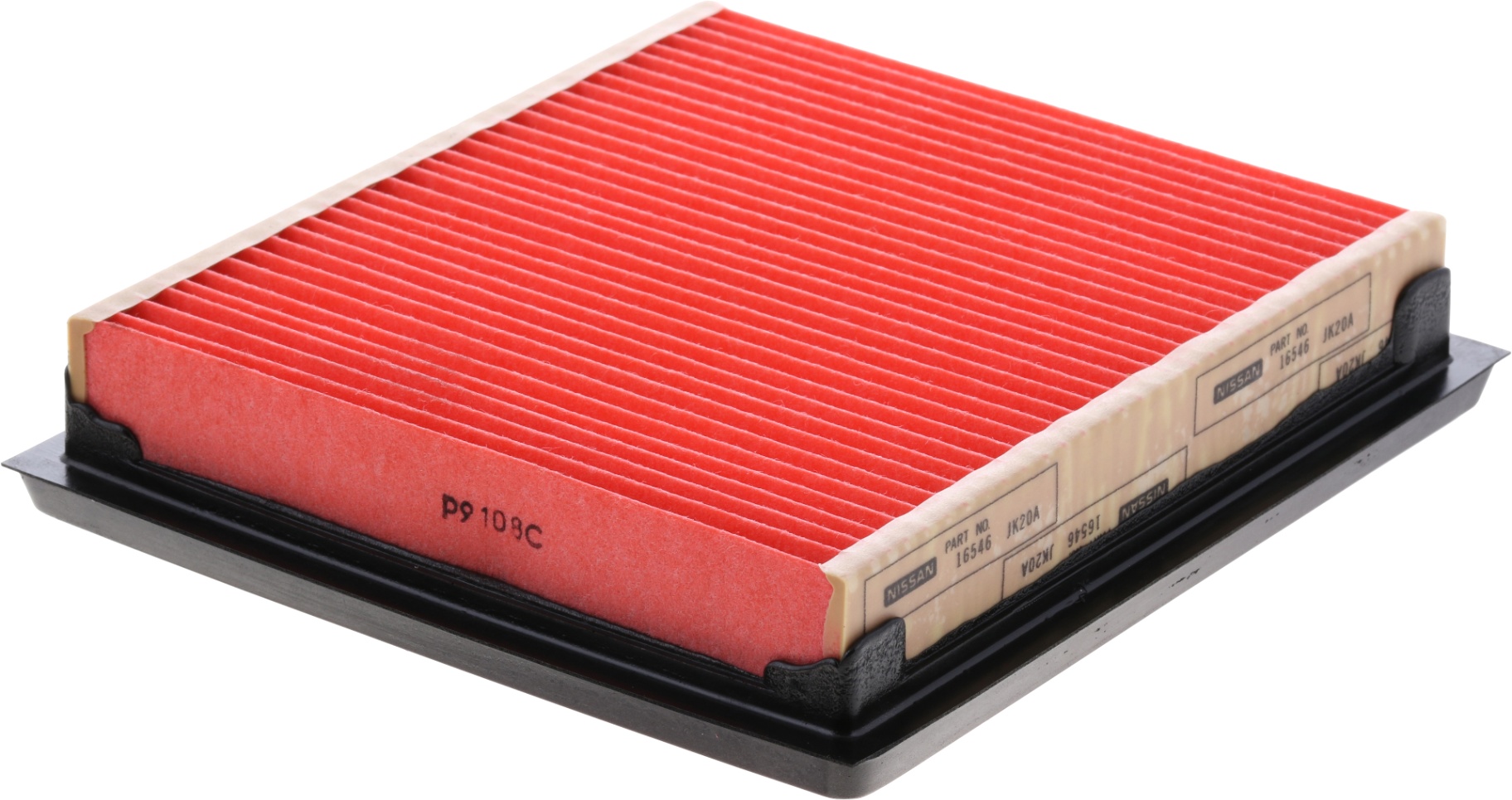
2. Air Filters: Breathing Easy for Peak Performance
Your Nissan actually uses two different air filters, and both deserve your attention. Think of them as your vehicle's respiratory system – they need to stay clean to function properly.
The engine air filter ensures your motor gets the clean air it needs for proper combustion. A dirty filter restricts airflow, reducing fuel efficiency and power output. You'll literally feel the difference when you replace a clogged filter – your acceleration will improve, and your fuel economy will thank you.
The cabin air filter is all about your comfort and health. It filters the air that enters your vehicle's interior, trapping pollen, dust, and other airborne particles. If you or your passengers have allergies, this filter is your friend.
Replace your engine air filter every 15,000-30,000 miles and your cabin air filter every 15,000-25,000 miles. But don't just follow the schedule blindly – you can visually inspect these filters and replace them when they look dirty.
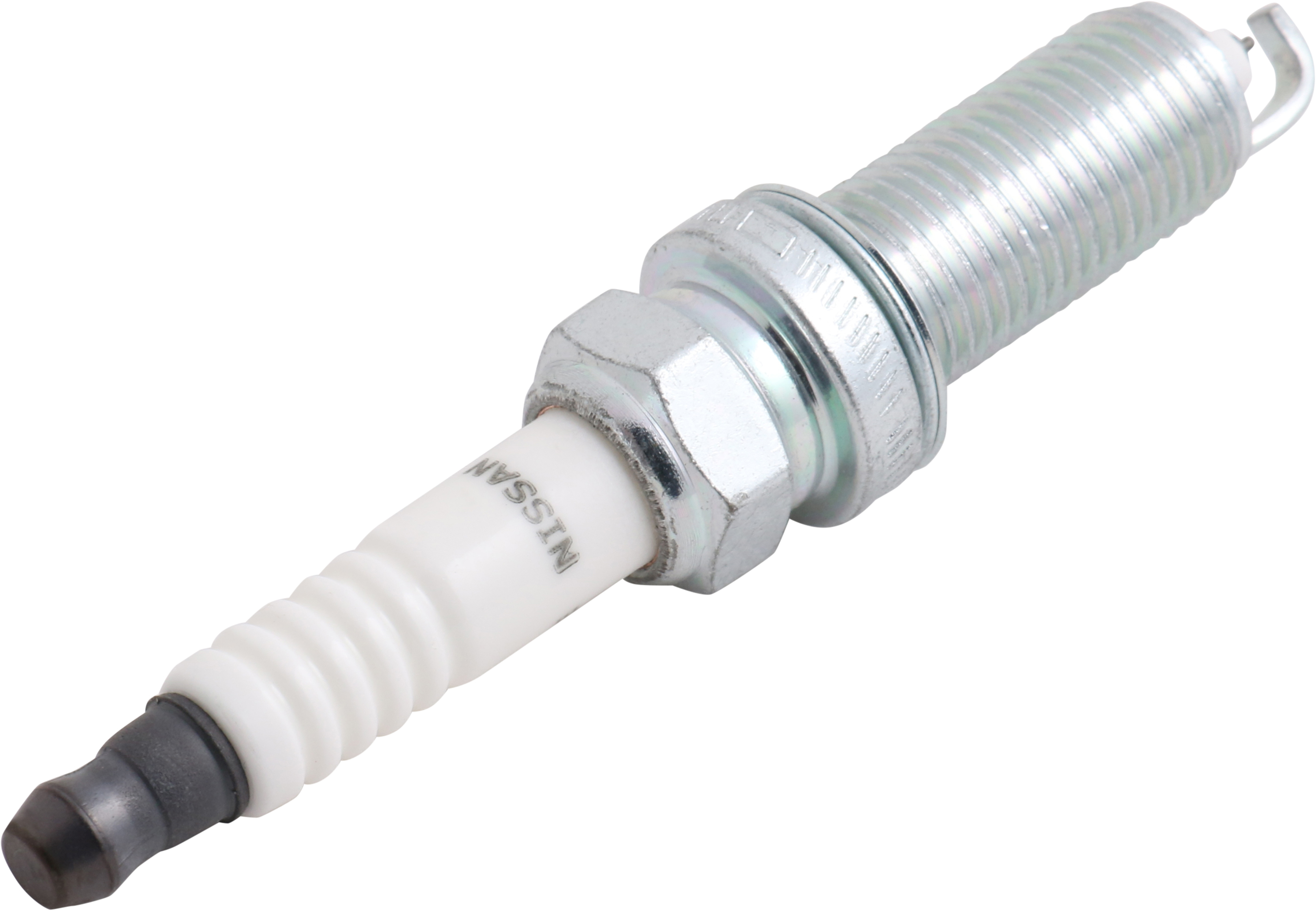
3. Spark Plugs: The Ignition Heroes
Every time you turn your key, spark plugs spring into action. These small but mighty components create the electrical spark that ignites the fuel-air mixture in your engine's cylinders. Without properly functioning spark plugs, your Nissan simply won't run.
Most Nissan vehicles use either copper, platinum, or iridium spark plugs. Iridium plugs last the longest – often up to 100,000 miles – while copper plugs typically need replacement every 30,000 miles.
Signs your spark plugs need attention include rough idling, misfiring, reduced fuel economy, or difficulty starting. Don't ignore these warning signs – worn spark plugs can damage other engine components if left unchecked.
You have the power to prevent problems by replacing spark plugs according to your maintenance schedule. It's one of those investments that pays dividends in reliability and performance.
4. Brake System: Your Safety Net
Your brakes are non-negotiable when it comes to safety. The brake system includes several components that work together: brake pads, rotors, calipers, brake fluid, and brake lines.
Brake pads create friction against the rotors to stop your vehicle. They gradually wear down with use – that's completely normal. Most brake pads have wear indicators that create a squealing sound when replacement time approaches. Listen to your vehicle – it's trying to tell you something important.
Brake fluid is often overlooked, but it's crucial for your safety. This hydraulic fluid transfers the force from your brake pedal to your brake components. Over time, brake fluid absorbs moisture and becomes less effective. Replace it every 2-3 years to maintain optimal braking performance.
Regular brake inspections empower you to catch issues before they become dangerous or expensive. If you notice longer stopping distances, a spongy brake pedal, or grinding noises, don't wait – address these concerns immediately.
5. Battery: Your Electrical Foundation
Your car battery does more than just start your engine – it powers your lights, radio, air conditioning, and all the electronic systems that make modern driving comfortable and safe.
Most car batteries last 3-5 years, but extreme temperatures, frequent short trips, and electrical system demands can shorten their lifespan. You can extend your battery's life by keeping the terminals clean and ensuring it's properly secured.
Warning signs of a failing battery include slow engine cranking, dim headlights, dashboard warning lights, or the dreaded "click" when you turn the key. Don't let a dead battery strand you – if your battery is over three years old and showing symptoms, consider replacement.
Pro tip: Many auto parts stores, including quality suppliers like those in the NYINI Automotive network, offer free battery testing. Take advantage of this service – it's a simple way to avoid unexpected breakdowns.
6. Tires: Where the Rubber Meets the Road
Your tires are your only connection to the road, making them critical for safety, fuel economy, and ride comfort. Proper tire maintenance isn't just about longevity – it's about keeping you and your passengers safe.
Tire rotation should happen every 5,000-7,500 miles to ensure even wear. Neglecting rotation can lead to premature replacement and compromised handling. You can easily check your tire's tread depth using the penny test – insert a penny into the tread groove with Lincoln's head facing down. If you can see the top of his head, it's time for new tires.
Proper tire pressure is equally important. Under-inflated tires reduce fuel economy, cause uneven wear, and can lead to dangerous blowouts. Over-inflated tires provide a harsh ride and uneven contact with the road. Check your tire pressure monthly – your owner's manual or door jamb sticker shows the correct pressure.
Alignment and balancing ensure your tires wear evenly and your vehicle handles properly. If your Nissan pulls to one side or your steering wheel vibrates, you have the power to address these issues before they cause expensive tire damage.
7. Coolant System: Temperature Control Central
Your engine generates tremendous heat, and the cooling system keeps everything at the proper operating temperature. This system includes coolant (antifreeze), the radiator, water pump, thermostat, and various hoses and connections.
Coolant doesn't just prevent freezing – it also prevents overheating and contains additives that protect against corrosion. Most Nissan vehicles use long-life coolant that can last 100,000 miles or more, but you should still check the level regularly and watch for leaks.
Signs of cooling system problems include temperature gauge readings above normal, sweet-smelling steam from under the hood, or puddles of green, orange, or pink fluid under your parked vehicle. Never ignore overheating – it can destroy your engine in minutes.
Regular cooling system maintenance includes checking hoses for cracks or bulges, ensuring the radiator cap seals properly, and flushing the coolant according to your maintenance schedule.
8. Belts and Hoses: The Unsung Heroes
Belts and hoses might not be glamorous, but they're absolutely essential for your Nissan's operation. The serpentine belt drives multiple accessories including the alternator, power steering pump, air conditioning compressor, and water pump.
A broken serpentine belt can leave you stranded and potentially cause engine damage from overheating. Inspect your belt regularly for cracks, fraying, or glazing. Most serpentine belts last 60,000-100,000 miles, but extreme conditions can shorten their lifespan.
Hoses carry vital fluids throughout your engine – coolant, vacuum lines, and fuel lines all depend on properly functioning hoses. Look for cracks, bulges, or soft spots that indicate deterioration. Catching a failing hose early can save you from a roadside breakdown or expensive engine damage.
You can perform basic visual inspections during routine maintenance checks. If you're unsure about a belt or hose's condition, trust your instincts and have it inspected by a professional.
9. Fuel System: Clean Fuel for Peak Performance
Your fuel system delivers gasoline from the tank to your engine, and keeping it clean is essential for optimal performance and fuel economy. The system includes the fuel tank, fuel pump, fuel filter, fuel injectors, and fuel lines.
The fuel filter prevents contaminants from reaching your engine's sensitive fuel injection system. A clogged filter can cause poor acceleration, rough idling, or even prevent your vehicle from starting. Most fuel filters should be replaced every 30,000-40,000 miles.
Fuel injectors spray precisely measured amounts of fuel into your engine's cylinders. Over time, they can become clogged with deposits, leading to reduced performance and fuel economy. Regular use of quality fuel and occasional fuel system cleaning can keep your injectors functioning properly.
You can help maintain your fuel system by using top-tier gasoline, which contains detergent additives that help prevent deposit buildup. Avoid letting your fuel tank run nearly empty – this can damage your fuel pump and stir up sediment that can clog your filter.
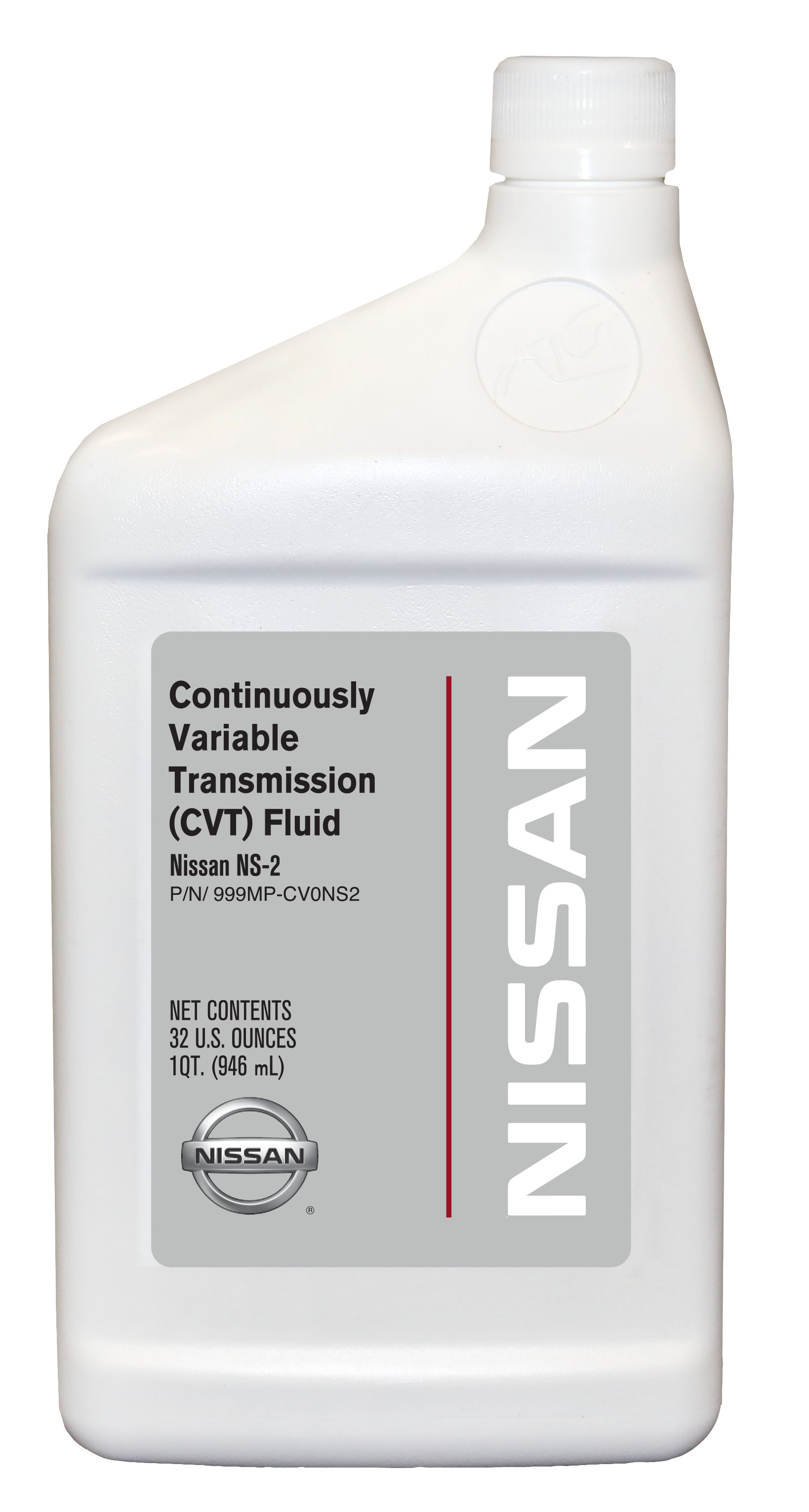
10. Transmission Fluid: Smooth Shifting Ahead
Your transmission is one of your vehicle's most complex systems, whether you drive an automatic or manual Nissan. Transmission fluid lubricates moving parts, provides hydraulic pressure for gear changes, and helps dissipate heat.
Automatic transmission fluid should be bright red and smell slightly sweet when fresh. Dark, burnt-smelling fluid indicates it's time for a change. Most Nissan vehicles with automatic transmissions need fluid changes every 60,000-100,000 miles, but severe driving conditions may require more frequent service.
Manual transmission fluid typically lasts longer but still needs periodic replacement. Signs of transmission problems include slipping gears, harsh shifting, or unusual noises. Don't delay addressing transmission issues – what starts as a simple fluid change can become a costly rebuild if ignored.
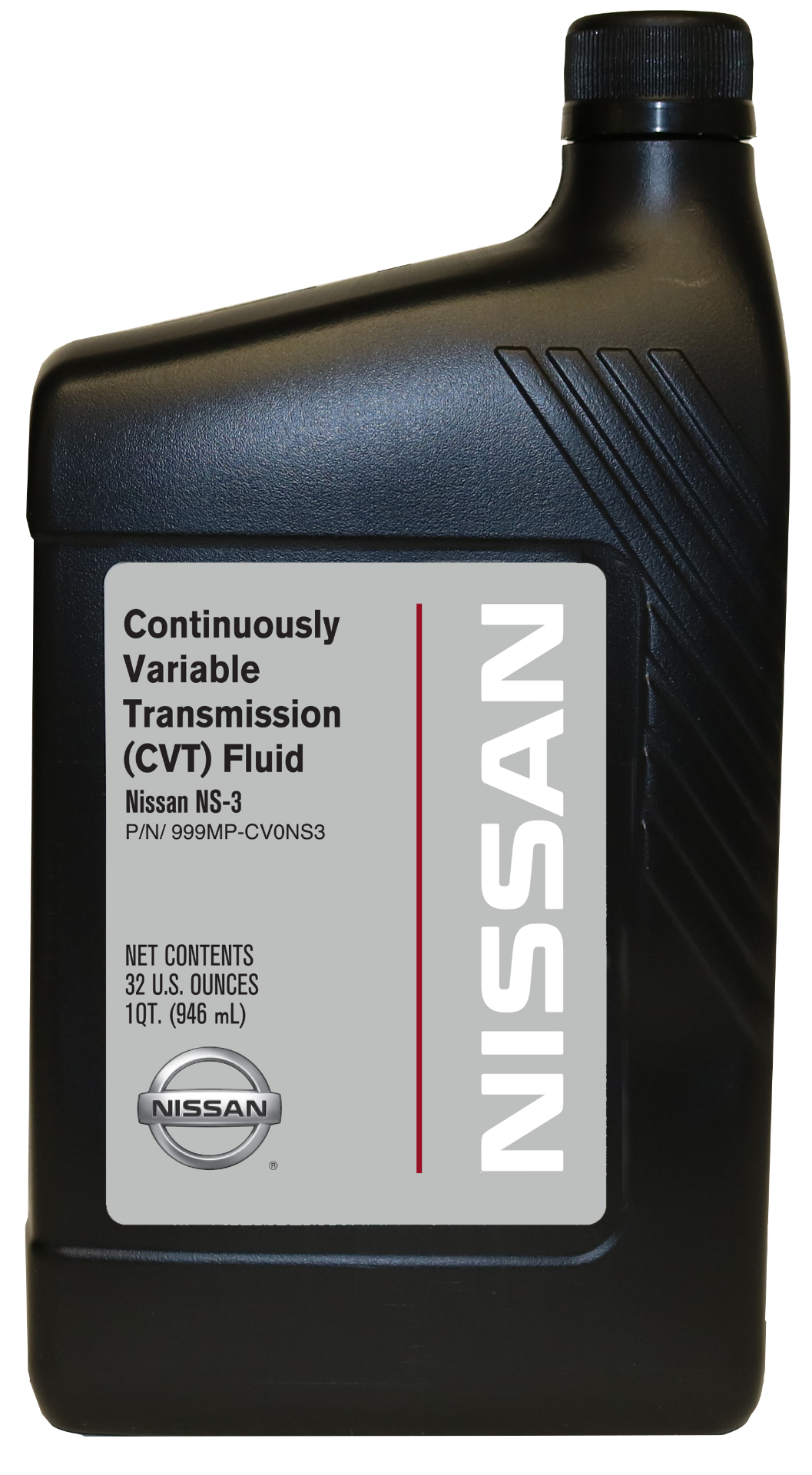
Regular transmission maintenance is one of the best investments you can make in your vehicle's longevity. You have the power to prevent expensive transmission problems through proper maintenance and attention to warning signs.
Taking Control of Your Nissan's Future
Maintaining these 10 essential components puts you in the driver's seat when it comes to your vehicle's reliability, safety, and longevity. You don't need to be a master mechanic – you just need to be an informed owner who takes action when maintenance is due.
Quality parts make a difference, and that's where choosing the right supplier matters. At NYINI Automotive, we understand that you deserve reliable parts that keep your Nissan running smoothly. Our Nissan parts collection includes OEM and high-quality aftermarket options designed specifically for your vehicle.
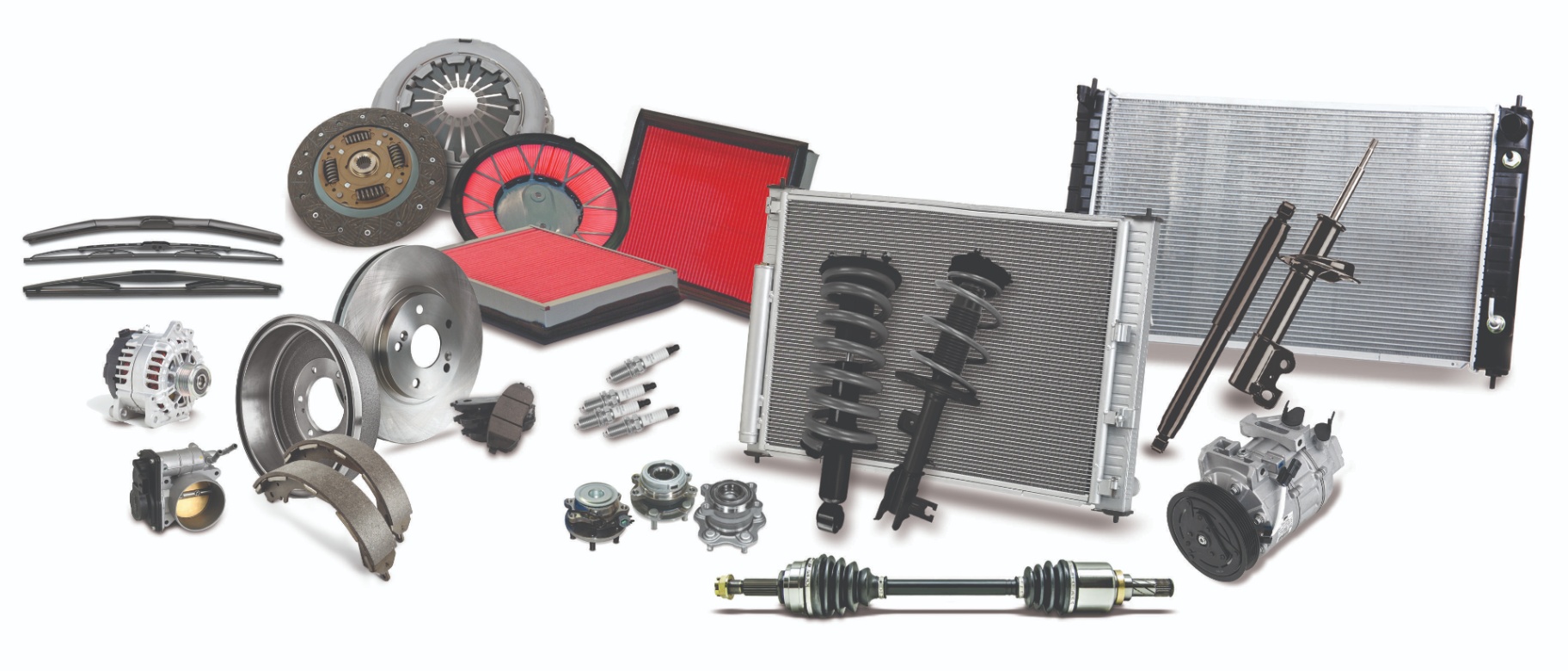
Remember, you're not just maintaining a car – you're protecting your investment and ensuring your family's safety on the road. Each of these components plays a crucial role in your Nissan's overall performance, and staying proactive with maintenance will serve you well for years to come.
Your Nissan was built to last, and with proper attention to these essential components, you can enjoy reliable transportation for hundreds of thousands of miles. You have the knowledge, and now you have the power to keep your vehicle running at its best.